
Clear Aligners: Benefits and Risks
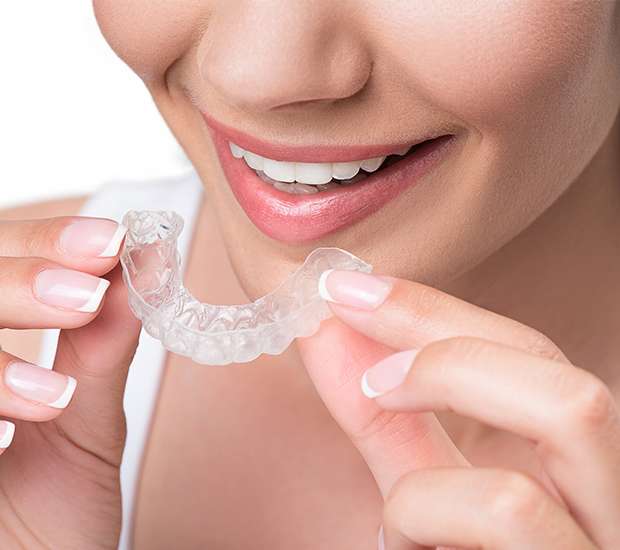
Clear aligners are a series of custom-made removable plastic trays that gradually move teeth. They are an alternative to braces for some orthodontic problems, but they are prescription devices and need assessment and supervision by a dentist or orthodontist.
The main decision is whether aligners can address your particular teeth and bite, and whether you can follow the wear and review plan. A less noticeable appearance does not mean treatment is risk-free, suitable for everyone or guaranteed to be comfortable.
Who may be suitable for clear aligners?
Aligners are commonly used for selected mild to moderate crowding, spacing and bite problems. More complex conditions may need braces or another approach. An examination should consider the teeth, gums, bite, dental history, existing restorations and any imaging needed before treatment is chosen.
Suitability for a child, teenager or adult cannot be decided from age or a photograph alone. Growth, dental development, oral health, the movement required and ability to follow instructions matter. Discuss reasonable alternatives, including whether to address other dental problems first. This page does not confirm that a particular branded system or specialist is available at either office.
Benefits and practical limitations
Possible reasons to choose aligners include:
- a less noticeable appearance than conventional fixed braces;
- removal for eating and for brushing, cleaning between teeth and cleaning the trays;
- a treatment routine that some patients find more comfortable or easier to manage.
These benefits have limits. Clear plastic can still be visible, and the trays can affect speech temporarily or become lost or damaged. Removal must fit the prescribed plan; repeatedly leaving trays out for events or snacks can interfere with progress. Comfort varies, and smooth-looking material does not guarantee that tissues will not become irritated.
Assessment, planning and progress checks
The dentist or orthodontist evaluates the teeth and bite, reviews dental history and may recommend radiographs. Impressions or digital scans help create a model and a proposed sequence of tooth movement. Ask what changes are planned, what limitations apply and what alternatives would meet your goals.
Custom aligners are made in a series. Your clinician explains when to change them and checks whether treatment is progressing as intended. There is no universal delivery date, six-week review interval or completion time for every patient. Remote monitoring may form part of a plan, but periodic in-person evaluation can help detect problems that a photograph alone may miss.
Daily wear, meals and cleaning
The FDA describes daily wear of at least 20 hours or as directed by the prescribing dentist or orthodontist. Your own clinician sets the appropriate wear, change and review schedule. Do not advance to the next tray early or change the schedule to make treatment faster. Discuss work, school, snacking and other routines before choosing a removable appliance.
Remove aligners for eating and follow instructions for drinks, tray cleaning and storage. Keep the teeth and spaces between them clean, and ask the team to demonstrate the routine. Follow the product-specific care instructions rather than using heat, chemicals or improvised adjustments. Contact the team if a tray is lost, damaged or no longer fits; do not choose a replacement sequence yourself.
Discomfort, risks and when to contact the clinician
Possible problems include soreness, irritation or allergic reactions to the material, swelling or cuts, temporary speech changes, and movement or bite changes that do not follow the plan. Existing crowns, fillings or implant restorations may loosen or need repair. More complex orthodontic problems may not respond adequately to aligners.
Discomfort can occur when teeth are moving, including after a change of trays. It is not guaranteed to disappear within 24 hours. New or worsening pain, persistent tissue irritation, swelling, cuts, an unexpected bite change or another concerning symptom needs evaluation by your dentist or orthodontist. Do not continue an unsuitable fit or alter the plastic on your own instead of seeking advice.
The FDA has not authorized clear aligners sold directly to consumers without a prescription and professional supervision. Ask who is responsible for your care and how in-person reviews will be arranged. A claim that a manufacturer is FDA-registered is different from authorization of a particular aligner product.
Retainers and maintaining the result
After active movement, a retainer may be recommended to reduce the chance of teeth moving back. Retainers and active aligners have different roles. Ask which retainer is appropriate, how to wear and clean it, and what to do if it becomes damaged or no longer fits.
Treatment length and retention needs vary. Following instructions and attending reviews matters, but neither adherence nor a retainer guarantees that no future change will occur. Keep the follow-up arrangement rather than assuming that the last active tray ends all care.
Choosing an office and discussing costs
JG Dental is a family, general, implant and cosmetic dental practice with offices in San Juan Capistrano and Newport Beach. Use the Locations page to choose the office and confirm assessment and service arrangements. An appointment request does not confirm a diagnosis, candidacy or available time.
Ask for a written plan and estimate, including the proposed appliance, visits, retention, possible additional care and what happens if treatment changes. Check your own insurance benefits and exclusions. No price, financing arrangement or insurance payment is promised here.
Medical sources
- FDA: Clear dental aligners
- ADA MouthHealthy: Braces
- ADA MouthHealthy: Mouthguards
Patient education only, not an individual diagnosis or approval by a dentist. Confirm the treatment plan and appointments with your selected office.
Frequently asked questions
Can I play sports during aligner treatment?
Discuss aligner removal and appropriate sports protection with your dentist or orthodontist. ADA guidance advises removing retainers or other removable appliances for contact sports and choosing a suitable protective mouthguard. Do not assume an aligner replaces sports protection, and coordinate time out of the trays with your treatment plan.
Can I eat or drink with aligners in?
Remove them for eating. Follow your clinician's and product's instructions about drinks, cleaning and storage. Ask how to protect the trays and maintain the prescribed daily wear time; taking them out for repeated meals or drinks should not turn into unplanned hours without treatment.
Are aligners painful?
Some people experience soreness, tissue irritation or other discomfort. A new tray can feel different, but pain is not proof that treatment is working correctly. Contact the clinician about new, worsening or persistent symptoms. Treatment is not guaranteed to be painless or irritation-free.
Can other people see them?
Aligners are designed to be less noticeable than conventional braces, but they are not invisible. Discuss appearance and lifestyle preferences alongside the clinical options. Removal for a photograph or event must remain consistent with the prescribed wear plan.
How much do aligners cost?
The plan, appliance, visits, treatment changes, retention and any other care affect the estimate. Ask the selected office for a written breakdown and check your insurer directly. This page does not confirm a total price or coverage.
Sources and further reading
Choose your JG Dental office
This information is shared by the practice. Services, appointment availability and individual treatment options must be confirmed with the selected office.
San Juan Capistrano — 32382 Del Obispo St Ste C2. (949) 493-6006
Newport Beach — 1501 Superior Ave Ste 302. (949) 548-8218