
Dental Second Opinion: Questions to Ask

A dental second opinion is another dentist’s assessment of a problem and a proposed treatment plan. Bring the first plan and ask what the second dentist agrees with, what differs, and why. The useful result is a clearer explanation of your choices, rather than simply a lower estimate or a vote for one dentist over another. This guide is for adults preparing for that conversation; it does not diagnose a condition or recommend a particular procedure.
Start with the decision you need to make
Write down the recommendation you are unsure about and your main concern: the diagnosis, an irreversible step, the order of treatment, recovery, or the overall commitment. You can ask for an explanation before deciding. The ADA’s patient-autonomy guidance supports involving patients in decisions and discussing reasonable alternatives.
Try a focused opening: “I was advised to have this treatment. Could you explain the findings that support it, the alternatives that fit my situation, and what needs attention first?” This keeps the visit centered on your individual assessment instead of asking someone to approve or reject a list without context.
Prepare records and a short history
Ask both offices how relevant records should be shared securely and whether permission or a release form is needed. Request the written plan and ask about sharing existing X-rays, photographs, examination notes, and any specialist reports. Tell the receiving office when the records were made and whether symptoms or treatment have changed since then. Ask whether those records are sufficient for the planned assessment; do not assume they replace an examination or settle whether further tests are needed.
Bring a list of current medicines, allergies and relevant health conditions, along with your dental history. Note where symptoms occur, when they began, and what has changed. Keep the treatment estimate with your papers, while recognizing that a cost breakdown and a clinical record answer different questions. The ADA describes histories, diagnostic records, radiographs, treatment notes and referrals as parts of a dental record.
Questions about findings, options and timing
Use these prompts to compare the reasoning behind each plan. The dentist should explain which options are appropriate for you and their potential benefits and risks, including the consequences of no treatment.
- What is the diagnosis, and what supports it? Ask the dentist to point out the relevant findings and explain any uncertainty.
- Where do the plans agree or differ? Ask whether the difference concerns the diagnosis, the treatment choice, or its sequence. A different recommendation is a reason to seek an explanation, rather than proof that either dentist is wrong.
- What reasonable alternatives apply to me? Ask about their benefits, risks, limitations and follow-up needs, including what not proceeding would mean.
- Which decisions are time-sensitive? Ask what could happen if you wait, what can safely be considered further, and what symptoms should trigger contact. Do not choose a delay based on this checklist.
- Could the work be staged? Ask what has to come first, what depends on earlier treatment, and whether a specialist’s assessment would help. Staging is a question for your dentist, not a promise that every plan can be split up.
If an unfamiliar term makes the answer hard to use, ask for it in plain language. Before leaving, describe the options back in your own words and check that you have understood the trade-offs. A signed form does not replace a discussion about treatment.
Compare written plans on the same basis
Request a written summary identifying the teeth or areas involved, the proposed procedures, alternatives discussed and the agreed next step. For estimates, ask each office what is included, what is excluded, and which parts could change after assessment. Compare the same proposed work before comparing totals. Ask the office and your insurer separately about any expected benefits or out-of-pocket responsibility; this article confirms no price, coverage or participation.
Keep a simple comparison note with four headings: findings both dentists agree on; points that differ; questions still unanswered; and the next clinical step. If the recommendations differ, ask what additional information or specialist input could clarify the decision. Do not combine pieces of different plans without a treating dentist checking that they fit together.
Leave with a clear next step
Ask who will provide follow-up, whom to contact if symptoms change, and how an agreed summary can be shared with your permission. Before agreeing to treatment, ask what the proposed consent covers and make sure your remaining questions have been discussed. This adult-focused checklist does not replace the appropriate consent arrangements needed for children or for someone who needs help making decisions.
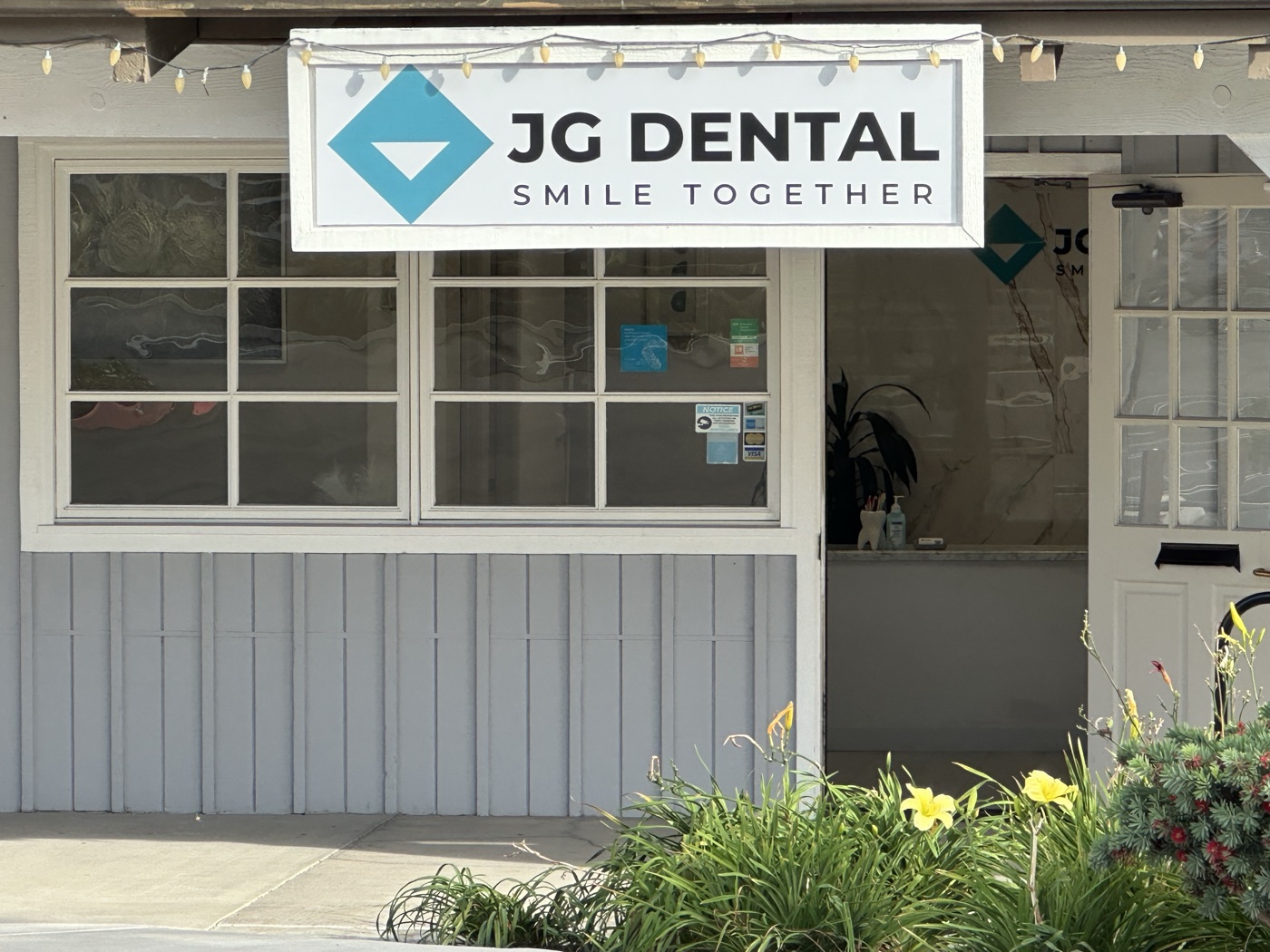
JG Dental has offices in San Juan Capistrano and Newport Beach. When contacting your chosen office, explain that you already have a proposed dental plan and ask whether an appropriate evaluation can be arranged and which records to send. Use the appointment-request page to request contact; the team must confirm the visit and its purpose. A request does not establish appointment availability, a specialist service or acceptance of a particular plan. For general preparation, see dental cleaning and examinations.
When not to wait for another opinion
Persistent throbbing tooth pain, a gum swelling or a suspected dental infection needs prompt dental assessment. Fever or jaw swelling can accompany an abscess. Pain easing does not necessarily mean an infection has resolved. Contact a dentist promptly rather than waiting for a routine second-opinion visit. If you have difficulty breathing, uncontrolled bleeding or another medical emergency, call 911 or seek emergency care immediately. These symptoms are not a diagnosis and are not a statement that either JG Dental office provides emergency availability.
Medical sources
- ADA: Patient Autonomy
- ADA: Types of Consent
- ADA: Documentation/Patient Records
- MedlinePlus: Tooth abscess, reviewed February 5, 2026.
- MedlinePlus: Recognizing medical emergencies, reviewed January 8, 2025.
ADA pages are professional ethics and practice guidance; they do not establish a specific clinic’s services or individual legal rights. Sources were checked on November 26, 2026. This is general educational information, not an examination, personal treatment plan or claim of review by a treating dentist.
Frequently asked questions
Does a second opinion automatically mean more treatment?
No particular recommendation is predetermined. Ask the examining dentist to explain the findings, reasonable options and their risks. The purpose of the conversation is an informed individual decision, not to obtain a guaranteed answer from a checklist.
Can I send my existing X-rays?
Ask the offices how to transfer relevant records securely and what authorization is needed. Existing images can provide context, but the receiving dentist must decide whether they answer the current clinical question. Do not assume a new image is always needed or that an old one is always sufficient.
Should I choose the less expensive plan?
First establish whether both estimates cover the same teeth, procedures and scope. Ask about the clinical reasoning, alternatives, follow-up and exclusions as well as the total. A lower estimate alone does not explain whether an option suits your needs.
What if I am still uncertain after the visit?
Ask for the unresolved questions and any recommended next assessment in writing. Tell the dentist if you are considering postponing treatment so that you can discuss the risks of waiting and when to seek help. Do not delay urgent assessment to obtain another opinion.
Sources and further reading
- medlineplus.gov — 001927.htm
- medlineplus.gov — 001060.htm
- www.ada.org — documentation patient records
- www.ada.org — types of consent
- www.ada.org — patient autonomy
- ADA: Patient Autonomy
- ADA: Types of Consent
- ADA: Documentation/Patient Records
- MedlinePlus: Tooth abscess
- MedlinePlus: Recognizing medical emergencies
- ADA: Patient Autonomy
- ADA: Types of Consent
- ADA: Documentation/Patient Records
- MedlinePlus: Tooth abscess
- MedlinePlus: Recognizing medical emergencies
Choose your JG Dental office
This information is shared by the practice. Services, appointment availability and individual treatment options must be confirmed with the selected office.
San Juan Capistrano — 32382 Del Obispo St Ste C2. (949) 493-6006
Newport Beach — 1501 Superior Ave Ste 302. (949) 548-8218