
Dental Bonding
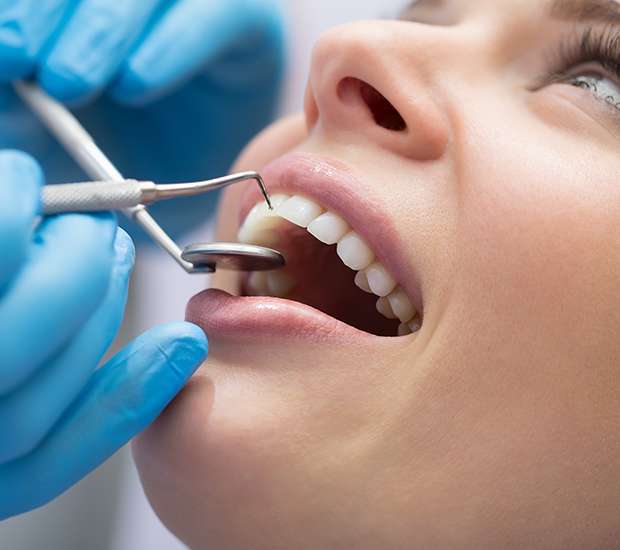
Dental bonding is a direct treatment in which a dentist applies a tooth-colored resin material to a tooth, shapes it and hardens it with a curing light. Depending on the examination and the amount of tooth structure involved, bonding may be considered to repair a small chip, change limited areas of shape or color, close a small space, or restore certain damaged areas. The term can also describe the adhesive process used with other dental restorations, so patients should ask what material and procedure a proposed plan includes.
Bonding is not a universal cosmetic fix. The tooth, bite, gums, amount of remaining enamel and dentin, presence of decay or cracks, and the patient's goals all affect whether direct composite is appropriate. JG Dental provides family, general, implant and cosmetic dental care at offices in San Juan Capistrano and Newport Beach. This shared clinical page serves both offices; choose a location when requesting an examination.
What dental bonding may address
Direct composite bonding is often discussed for localized concerns, including:
- a small chip or worn edge;
- limited changes to a tooth's contour or apparent size;
- a narrow space between teeth;
- tooth-colored restoration of an area affected by decay or damage;
- replacement or repair of some existing composite restorations when clinically appropriate;
- selected discoloration that cannot be adequately managed with whitening alone.
Appearance is only one part of the decision. A dentist must first identify why the tooth changed. Active decay, gum inflammation, tooth grinding, an unstable bite or a deeper crack may require treatment or risk management before cosmetic bonding. Resin cannot strengthen every badly damaged tooth, and adding material without diagnosis can hide rather than solve a problem.
How the procedure is planned and placed
The visit begins with an examination. The dentist assesses the tooth and surrounding tissues, discusses the desired change and determines whether imaging or other tests are needed. Shade selection and planning may occur before the tooth is isolated. Depending on the case, limited preparation may be needed. The surface is conditioned, an adhesive system is applied, and composite resin is placed and shaped. A dental curing light hardens the material, after which the dentist adjusts the contour and bite and polishes the restoration.
The American Dental Association classifies resin-based composite as a direct restorative material and notes that it is tooth-colored and adhesively bonded. Direct materials are placed on the tooth rather than fabricated as a separate laboratory restoration. The exact steps, amount of preparation and number of surfaces depend on the tooth and the treatment objective.
Bonding compared with other options
Bonding may preserve more tooth structure than some indirect restorations in selected cases, but that does not make it the best or least invasive option for every concern. Alternatives can include no treatment and monitoring, enamel reshaping, whitening, orthodontic treatment, a filling, a veneer, a crown or another restorative approach. These choices do different jobs and have different maintenance needs.
A veneer covers the front surface of a tooth, while a crown covers more of the tooth. Orthodontic treatment moves teeth rather than adding restorative material. Whitening changes the color of natural tooth structure but does not change the color of existing composite. A dentist can explain which options address the cause of the concern and how much sound tooth structure each approach requires.
Limitations and maintenance
Composite can chip, wear, stain or separate from the tooth. Its service life varies with the size and location of the restoration, bite forces, habits, oral hygiene, diet, material and technique. No restoration lasts forever, and a specific lifespan or result cannot be promised online. Bonding may not be appropriate for a large structural defect, a heavily loaded area, inadequate remaining tooth structure or a problem that requires another type of treatment.
Brush twice daily with fluoride toothpaste and clean between the teeth. Avoid using bonded teeth to bite fingernails, open packaging or chew hard objects. If the bite feels high, an edge feels rough, or the material chips, contact a dentist rather than trying to smooth or repair it at home. Regular examinations help the dentist assess the bonding, the tooth margins and the surrounding gums.
Composite does not whiten along with natural enamel. If tooth whitening is being considered, discuss the sequence before bonding so shade planning can account for the intended result. Coffee, tea, tobacco and other staining exposures may affect appearance over time, although individual results vary.
When to contact a dentist promptly
A minor cosmetic chip and a deep crack can look similar without an examination. Seek dental guidance for pain, prolonged temperature sensitivity, pain on biting, swelling, a loose fragment or an injury. Call 911 or seek emergency medical care for uncontrolled bleeding, trouble breathing, major facial trauma or other potentially life-threatening symptoms. This page does not promise walk-in, emergency or same-day availability at either office.
Choosing a JG Dental office
Use the location selector to choose San Juan Capistrano or Newport Beach. Describe the tooth and concern when requesting the visit, and mention pain, swelling or recent injury. An examination is needed before the office can confirm whether bonding is appropriate, what alternatives should be discussed, or what the treatment would cost. Insurance benefits and patient responsibility depend on the individual plan and proposed service.
Frequently asked questions
Is dental bonding the same as a veneer?
Not necessarily. Direct bonding usually involves shaping composite resin directly on the tooth. A veneer is a covering for the front surface and may be made from porcelain or composite. The preparation, repair options and maintenance can differ.
Can bonding fix any chipped tooth?
No. The dentist needs to determine the depth and cause of the chip, whether a crack extends farther into the tooth, how the bite loads the area and whether enough healthy structure remains. Another restoration or treatment may be safer in some cases.
Will bonded material match my teeth?
Composite is available in tooth-colored shades, and the dentist selects and shapes material for the individual tooth. Exact appearance depends on the tooth, lighting, surrounding teeth and clinical conditions, so a perfect or permanent match cannot be guaranteed.
Can bonding be whitened later?
Whitening products change natural tooth structure, not existing composite in the same way. Discuss whitening before bonding or replacement so the dentist can plan the shade sequence.
Is this page only for San Juan Capistrano?
No. This is shared clinical information for both JG Dental offices. The historical URL is not exclusive office ownership; use the location selector to contact San Juan Capistrano or Newport Beach.
Choose your JG Dental office
This information is shared by the practice. Services, appointment availability and individual treatment options must be confirmed with the selected office.
San Juan Capistrano — 32382 Del Obispo St Ste C2. (949) 493-6006
Newport Beach — 1501 Superior Ave Ste 302. (949) 548-8218