
Dental Sealants
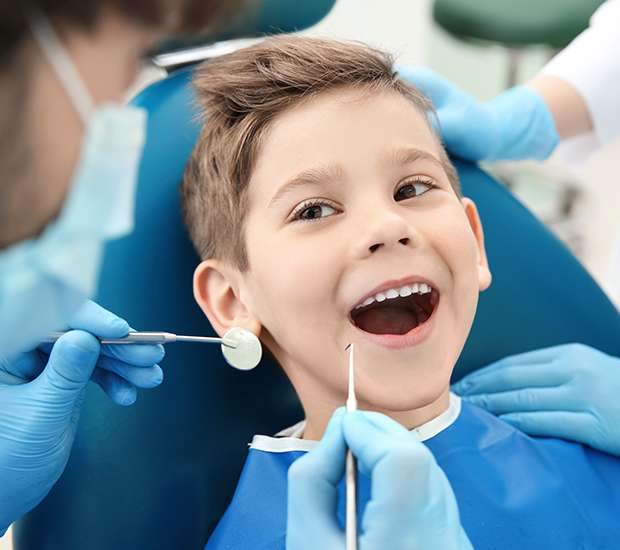
Dental sealants are thin coatings placed in pits and grooves on chewing surfaces, commonly on back teeth, to help reduce decay risk. They protect the surfaces they cover, not every part of every tooth, and do not guarantee a cavity-free mouth. An examination helps decide which teeth may benefit and whether any decay needs a different approach. Sealants complement fluoride toothpaste, cleaning between teeth and follow-up care.
How the coating protects the surface
Food and decay-causing bacteria can collect in deep chewing grooves. A sealant fills those grooves and provides a barrier. ADA patient information describes reduced molar decay risk and cites a 2016 school-age report; that population information is not an individual guarantee. Enamel is the hard outer covering over dentin in the tooth crown. Dentin lies beneath it, and the pulp containing nerves and blood vessels is inside the tooth: enamel does not contain those tissues.
Who may benefit and when
Children are often assessed as permanent molars erupt. NIDCR describes first molars appearing around age 6 and second molars around 12, but actual eruption and the tooth's condition guide the decision. ADA guidance also says adults can benefit. Ask about each tooth's grooves, decay risk and suitability, rather than choosing by age alone. If a baby tooth is being considered, ask the dentist about its individual need and expected time in the mouth; this page does not recommend sealing every baby tooth.
Early decay is different from an established cavity
ADA guidance says selected early areas of decay can be sealed and monitored. This does not mean every hole, painful tooth or existing restoration should simply be covered. NIDCR distinguishes early decay before a cavity from a cavity that may require restorative treatment. The dentist should assess the surface and explain whether prevention, monitoring, a sealant or another treatment is appropriate. A sealant does not replace the assessment or treat infection inside a tooth.
What application usually involves
The tooth is examined, cleaned and kept dry. In the resin-sealant sequence described by ADA, a gel prepares the surface, is rinsed off, and the tooth is dried before material is placed in the grooves and hardened with a light. NIDCR describes application as simple and generally painless. Discuss the product and technique being used, ability to keep the area dry and any concerns beforehand. The provider should check the finished coating and how your teeth meet; this description is not a promise that every patient has the same experience.
Materials, allergies and safety questions
Tell the dentist about known allergies and past reactions to dental materials. ADA's safety explanation includes an allergy exception; it should not be shortened to an unconditional claim of no side effects. Its patient page also discusses small amounts of BPA associated with sealants, but that does not identify the product to be used for you or establish that every material is identical or BPA-free. Ask about the chosen material, relevant precautions and what to do if an unexpected reaction occurs.
Eating and an uncomfortable bite afterward
Ask when you may eat and drink and whether the particular material requires any precautions. Do not assume a universal rule of no restrictions immediately after every sealant. A coating may initially feel different, but a persistently high or uncomfortable bite, difficulty bringing teeth together or pain should be reported for assessment instead of automatically waiting for it to disappear. The dentist can check the bite and coating. Contact the office about a persistent unusual taste or another unexpected concern rather than using a sugary drink as a treatment.
Checks, repairs and everyday prevention
Sealants may last for several years, but they can wear or need reapplication. The dentist should check them during regular visits and repair or replace them when indicated; no identical lifespan or nine-year guarantee is established here. Continue brushing twice daily with fluoride toothpaste, cleaning between teeth and limiting frequent sugary or starchy snacks and drinks, as described by NIDCR. Ask for age-appropriate advice for a child. A worn coating, suspected decay or a change in the bite needs review; keeping the sealant does not remove the need for other preventive care.
Choose your JG Dental office
JG Dental has offices in San Juan Capistrano — 32382 Del Obispo St Ste C2, (949) 493-6006 — and Newport Beach — 1501 Superior Ave Ste 302, (949) 548-8218. Choose your office and appointment enquiry route and confirm services, individual options and fees with that office. This is practice-provided patient education, not a statement that a named clinician reviewed this article. No treatment outcome, price, availability or insurance payment is promised.
Sources and dates
Checked 23 November 2026: ADA: Sealants, ADA: Tooth anatomy, NIDCR: Dental Sealants and NIDCR: Tooth Decay. Both NIDCR pages show review in September 2025; the retrieved ADA texts did not display an update date. The ADA sealant page references an October 2016 CDC report; those research figures are not JG Dental outcome data or a current population count. These resources support general education, not an individual diagnosis.
Frequently asked questions
What is a dental sealant?
It is a thin coating that fills pits and grooves on a tooth's chewing surface. It helps reduce decay risk on the covered area; it is not a filling for every cavity and does not protect all tooth surfaces.
Who should consider sealants?
Children with newly erupted permanent molars are commonly considered, and selected adults may also benefit. The dentist should assess each surface and decay risk. Ask separately about any baby tooth; age alone does not determine suitability.
What do sealants cost, and does insurance pay?
No verified fee is established on this page. Ask the selected office for an estimate for the proposed teeth and check your own plan. ADA says some plans cover sealants; that does not confirm your benefits or JG Dental's participation in a particular network.
Does applying a sealant hurt?
Surface application is generally simple and painless, but it is not a guarantee of no discomfort or reaction for every person. Tell the provider if the bite feels wrong, there is pain or another unexpected symptom, and ask how it should be assessed.
How long do sealants last?
They often remain for several years, with checks and possible repair or reapplication. The condition of your sealant matters more than a fixed expiry promise. Keep regular dental visits and report a suspected problem rather than assuming it will remain intact indefinitely.
Sources and further reading
Choose your JG Dental office
This information is shared by the practice. Services, appointment availability and individual treatment options must be confirmed with the selected office.
San Juan Capistrano — 32382 Del Obispo St Ste C2. (949) 493-6006
Newport Beach — 1501 Superior Ave Ste 302. (949) 548-8218