
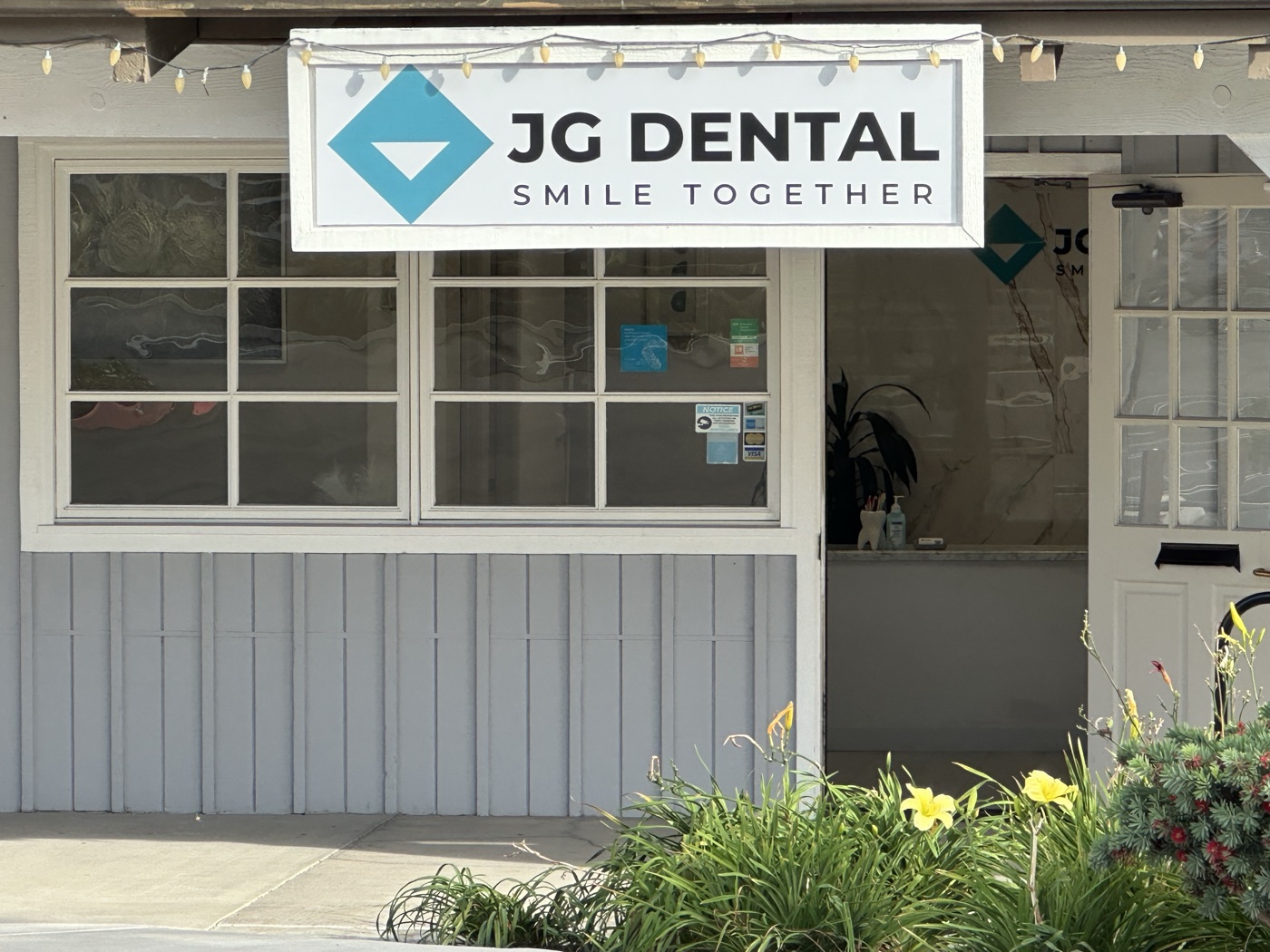
Family Dentist

A family dentist provides ongoing oral health care for people at different stages of life. The practical benefit is continuity: children, adults, and older family members can use one dental practice for preventive care, evaluation of new symptoms, and many common restorative needs. JG Dental is a family, general, implant, and cosmetic dental practice.
Family dentistry does not mean that every patient receives the same schedule or treatment. Oral health risks, medical history, age, symptoms, and previous dental care all affect what a dentist may recommend. An examination is needed before a clinician can diagnose a condition or decide whether treatment, monitoring, or referral is appropriate.
What family dentistry means
Family dentistry is organized around care across age groups rather than around one procedure. A family dentist may help a household maintain routine care, assess tooth or gum concerns, and plan treatment when a problem is found. Keeping care within one practice can also make it easier to maintain records and discuss changes over time.
The American Dental Association notes that general home-care recommendations should be personalized to an individual's needs and disease risk. That same principle applies in the dental office: a child who is learning daily oral hygiene, an adult with a new painful tooth, and an older adult with dry mouth or a dental appliance may need different evaluations and guidance.
This page provides shared clinical guidance for JG Dental patients. Use the Locations page to choose the office you intend to visit, then contact that office or use the appointment request route to ask about availability and whether the service you need is provided there. An online request should be treated as a request until the selected office confirms the appointment and any preparation instructions.
Care for children, adults, and older family members
Oral health needs change over a lifetime. For children, early dental care focuses on development, prevention, home-care habits, and finding concerns before they interfere with eating, speaking, or learning. The CDC advises caregivers to begin cleaning a child's mouth early, start brushing when teeth appear, and arrange a dental visit by the first birthday. A dentist can provide age-appropriate advice based on the child's development and risk.
Adults may need preventive visits as well as evaluation of cavities, gum changes, tooth wear, broken restorations, sensitivity, or discomfort. The CDC recommends daily brushing with fluoride toothpaste and cleaning between the teeth. It also advises adults to seek professional evaluation for new oral symptoms rather than assuming that the absence of pain means the mouth is healthy.
Older adults may face additional considerations, including dry mouth, changes in dexterity, gum recession, tooth loss, dentures, implants, or medical conditions and medications that affect oral care. These factors make individualized recommendations especially important. Tell the dental team about relevant medical conditions, allergies, medications, and changes since the previous visit so the clinician can evaluate care in context.
Preventive care and common dental needs
Preventive dentistry combines daily care with professional assessment. Brushing twice a day with fluoride toothpaste and cleaning between the teeth are widely recommended foundations, but they do not replace an examination. Dental visits can help identify cavities, gum disease, oral lesions, damaged teeth, and other concerns that may not be obvious at home.
A family dental practice may evaluate or provide several kinds of care, but the exact services appropriate for one patient cannot be determined from a web page. Depending on the examination, care may involve preventive services, treatment of tooth decay, repair of a damaged tooth, gum care, replacement of missing teeth, cosmetic options, or referral to another clinician. A referral is not a failure of family dentistry; it is an appropriate step when a condition requires care outside the practice's scope.
Treatment recommendations should follow diagnosis. A specific procedure, material, timeline, or outcome cannot be promised before the dentist has examined the patient and reviewed the relevant history and images. Fees and insurance coverage also vary, so ask the office for current information that applies to your situation before making a financial decision.
What to expect when establishing care
Before the visit, be ready to share the reason for the appointment, current symptoms, relevant health conditions, medications, allergies, and previous dental information if available. If you are arranging care for a child or another family member, include details that may affect communication, mobility, comfort, or consent.
The clinical team determines what the appointment requires. That may include a discussion of concerns, an examination, and diagnostic images when they are clinically appropriate. Cleaning or treatment is not automatically the right next step for every first visit. After evaluating the findings, the dentist can explain priorities, alternatives, limitations, and follow-up needs.
Ask questions until you understand the plan. Useful questions include what the dentist found, what could happen if the problem is monitored rather than treated now, whether there are reasonable alternatives, what risks or limitations apply, and which symptoms should prompt an earlier call. If a proposed plan includes several steps, ask which step is most urgent and why.
Choosing a JG Dental location
JG Dental has offices in San Juan Capistrano and Newport Beach. The locations should not be treated as interchangeable for scheduling or service availability. Use the site's Locations page to confirm the office you intend to visit, then contact that office for current details.
When requesting an appointment, briefly describe whether the visit is preventive or related to a symptom. Mention pain, swelling, bleeding, trauma, or difficulty eating if any are present. The information helps the office understand the request, but it does not create a diagnosis and does not guarantee a particular appointment time.
Severe facial swelling, trouble breathing or swallowing, uncontrolled bleeding, a suspected jaw fracture, or another potentially life-threatening condition requires emergency medical care rather than waiting for a routine dental appointment. For a dental problem that is urgent but not life-threatening, contact a dental office promptly and describe the symptoms.
Medical sources
- American Dental Association: Home Oral Care
- CDC: Oral Health Tips for Children
- CDC: Oral Health Tips for Adults
Frequently asked questions
What is a family dentist?
A family dentist provides general oral health care for patients across multiple age groups. The exact services and age ranges offered by a practice can vary, so confirm that the JG Dental office you plan to visit can address the needs of each family member.
Can everyone in a household use the same dentist?
Often, but not automatically. A family practice may care for children, adults, and older adults, while certain conditions or age-specific needs may require referral. Ask the office about each person's needs rather than assuming that every service is available for every age.
How often should my family visit the dentist?
There is no single schedule that fits every patient. A dentist should recommend the interval after considering age, current oral health, disease risk, symptoms, medical history, and previous treatment. Contact the office sooner if a new problem develops.
What should I bring to a first appointment?
Bring identification and any information requested by the office. Be prepared to discuss medical conditions, medications, allergies, dental history, and the reason for the visit. For a child or dependent adult, bring the information and consent documentation needed to support their care.
Does an appointment request confirm a visit?
No. A form or message starts the request. Wait for the JG Dental office you selected to confirm availability, the appointment time, and any instructions before relying on the visit as scheduled.
Can the website tell me which treatment I need?
No. This page provides general education and cannot diagnose a dental condition. A dentist must evaluate the patient before recommending treatment, and the appropriate plan may include monitoring, treatment, or referral.
Sources and further reading
Choose your JG Dental office
This information is shared by the practice. Services, appointment availability and individual treatment options must be confirmed with the selected office.
San Juan Capistrano — 32382 Del Obispo St Ste C2. (949) 493-6006
Newport Beach — 1501 Superior Ave Ste 302. (949) 548-8218