
Gum Contouring and Reshaping
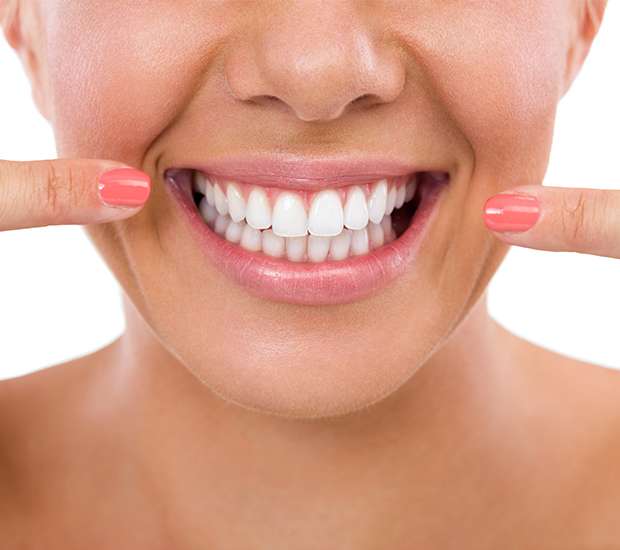
Gum contouring, sometimes called gum reshaping, changes the outline of gum tissue around one or more teeth. It may be considered when excess or uneven tissue makes teeth look short or the gumline look uneven. The right procedure depends on the cause of the appearance, the health of the gums and bone, and the planned result; this page cannot determine candidacy.
This is shared treatment information for JG Dental patients. The practice has offices in San Juan Capistrano and Newport Beach, but services, appointment availability, and an individual treatment plan must be confirmed with the selected office.
What gum contouring can and cannot address
For some people, teeth that appear short are actually covered by excess gum tissue. Dental crown lengthening may reshape gum tissue and, when clinically necessary, bone to expose more of the natural tooth. It can involve one tooth, several teeth, or a broader part of the smile.
A long-looking tooth or an exposed root can reflect gum recession rather than excess tissue. That is a different problem: root-coverage or gum-graft procedures may be considered instead of removing more tissue. Tooth position, lip movement, restorations, periodontal disease, and the relationship between gum and bone can also affect the appearance of a smile.
Who may be a candidate
An evaluation may be reasonable for a patient concerned about an uneven gumline, teeth that appear short because of excess tissue, or the amount of gum visible when smiling. Crown lengthening may also be recommended when more tooth structure must be exposed for a restorative procedure. A cosmetic concern alone does not identify the correct procedure.
The assessment should distinguish excess tissue from recession or periodontal disease and consider gum health, bone level, tooth position, existing restorations, medical history, medicines, smoking or nicotine use, healing considerations, and the patient's goals. Active disease or an exposed root may need a different plan before cosmetic reshaping is considered.
How treatment is planned
The extent of treatment is individualized. Crown lengthening can reshape gum tissue and sometimes underlying bone; the amount and location depend on the clinical findings and the relationship between the tooth, gum, and bone. The clinician should explain which areas are being treated and whether the goal is cosmetic, restorative, or both.
Anesthesia and comfort measures are selected for the planned procedure and the patient. The technique, number of visits, recovery time, and need for referral cannot be promised from a webpage. Ask what will be done, what alternatives exist, and what instructions apply before agreeing to treatment.
Risks, recovery, and when to call
Soreness and swelling can occur after surgery. Surgical complications can include infection, excessive bleeding, a reaction to anesthesia, or unintended injury, and some medical conditions can increase risk. The treating clinician should review relevant health conditions and medicines and explain the risks that apply to the proposed procedure.
Follow the office's written instructions for cleaning, food, medicines, activity, and follow-up rather than relying on a generic online schedule. Contact the treating office about unexpected or worsening pain, swelling, bleeding, fever, drainage, or another concern. Urgent symptoms require prompt medical or dental evaluation.
Realistic goals and limitations
Gum contouring may change the proportion and symmetry of the visible gumline, but it does not whiten teeth, move teeth, treat every cause of a gummy smile, or guarantee a particular cosmetic result. It is not a substitute for treating periodontal disease, decay, a fracture, or gum recession. Results and future tissue changes depend on the diagnosis, procedure, healing, and oral health.
Choose a JG Dental office
Use the San Juan Capistrano office page or the Newport Beach office page to review the correct contact details and request an appointment. An online request is not a confirmed visit until the office responds. Ask the selected office whether gum contouring or an appropriate referral is available for your needs.
Medical sources
Cosmetic Procedures — American Academy of Periodontology
Surgical Periodontal Procedures — American Academy of Periodontology
After Surgery — MedlinePlus, U.S. National Library of Medicine
Frequently asked questions
Is gum contouring the same as crown lengthening?
The terms can overlap, but they should not be treated as automatic synonyms. Crown lengthening can reshape gum and sometimes bone to expose more tooth for a cosmetic or restorative purpose. The clinician should name the planned procedure and explain its goal.
How is gum contouring different from a gum graft?
Contouring removes or reshapes tissue when excess or uneven tissue is the issue. A gum graft or another root-coverage procedure may be used when recession has exposed a root. An examination is needed to distinguish those situations.
Does every tooth need to be treated?
No. Crown lengthening may involve one tooth, several teeth, or a broader area. The plan should be based on the gumline, tooth and bone relationships, and the intended restorative or cosmetic result.
What are the main risks?
Risks can include pain or soreness, swelling, infection, excessive bleeding, a reaction to anesthesia, or unintended injury. Individual health conditions and the planned procedure affect risk, so the treating clinician must review them with the patient.
Can the procedure and recovery be completed in one day?
The webpage cannot promise that. Technique, extent, anesthesia, follow-up, and recovery vary. Confirm the plan and post-treatment instructions with the treating office.
Does insurance cover gum contouring?
Coverage depends on the plan and whether the procedure is considered cosmetic or medically necessary. Ask the selected office for the procedure information needed to check benefits, and confirm coverage directly with the insurer. Patient education only; this page does not replace an examination, diagnosis, informed consent, or individualized advice.
Sources and further reading
- medlineplus.gov — aftersurgery.html
- www.perio.org — surgical procedures
- www.perio.org — cosmetic procedures
- Cosmetic Procedures — American Academy of Periodontology
- Surgical Periodontal Procedures — American Academy of Periodontology
- After Surgery — MedlinePlus, U.S. National Library of Medicine
- San Juan Capistrano office page
- Newport Beach office page
- Cosmetic Procedures — American Academy of Periodontology
- Surgical Periodontal Procedures — American Academy of Periodontology
- After Surgery — MedlinePlus, U.S. National Library of Medicine
Choose your JG Dental office
This information is shared by the practice. Services, appointment availability and individual treatment options must be confirmed with the selected office.
San Juan Capistrano — 32382 Del Obispo St Ste C2. (949) 493-6006
Newport Beach — 1501 Superior Ave Ste 302. (949) 548-8218