
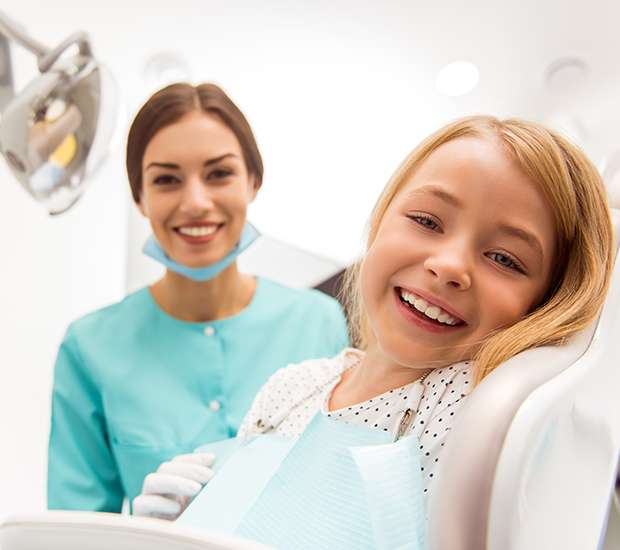
We see children from their first tooth onwards. The aim of the early visits is not treatment — it is that the chair, the mirror and the noises stop being frightening before anything needs doing.
When should a child first come in?
Around the first birthday, or within six months of the first tooth appearing. The visit is short, mostly looking and talking, and it sets the pattern for everything after.
At that age we check how the teeth are coming through, look for early signs of decay, and show parents how to clean a mouth that does not want to be cleaned.
Children who meet a dentist before anything hurts are far easier to treat later. The first visit is an investment in the tenth one.
My child is scared. What actually helps?
A short, uneventful visit with nothing done. We let them sit in the chair, look at the instruments, count teeth, and leave. Fear fades with repetition, not with persuasion.
What helps at home: avoid words like hurt, needle and drill, even in reassurance — children hear the noun, not the negation. Saying the dentist will count teeth is accurate and calm.
Booking morning appointments matters more than parents expect. A tired child at the end of a school day is a different patient.
Do baby teeth really matter if they fall out anyway?
They do. They hold the space for the adult teeth behind them, and they are how a child learns to chew and speak. Losing one early can crowd the tooth that follows.
Decay in baby teeth also hurts, and pain affects sleep, eating and school. Treating it is not about the tooth outliving childhood.
When a baby tooth does have to come out early, a space maintainer keeps the gap open so the adult tooth has somewhere to arrive.
What should we be doing at home?
Brush twice a day with a smear of fluoride toothpaste, and help until they are around seven or eight — hand control develops later than parents assume.
Sugar frequency matters more than quantity. One dessert does less harm than juice sipped across an afternoon, because it is the number of acid episodes that counts.
Bottles and cups of anything but water at bedtime are the single most common cause of early decay we see.