
TMJ and TMD: Jaw Pain and Treatment
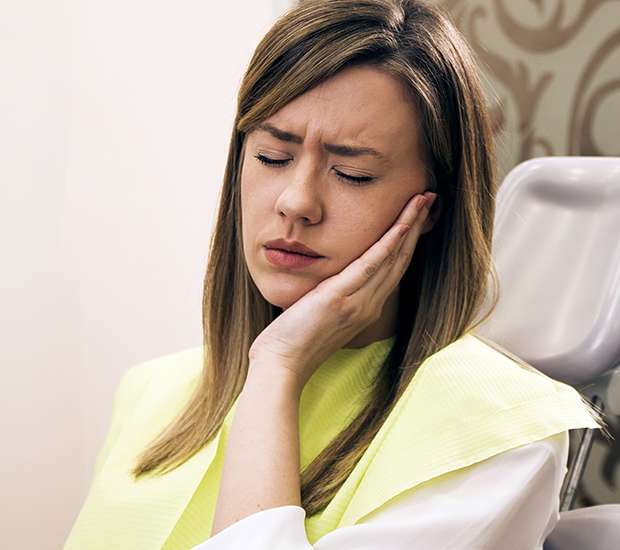
TMJ means the temporomandibular joint, the joint in front of each ear that connects the lower jaw to the skull. TMD means temporomandibular disorders: conditions affecting the jaw joints, chewing muscles or related function. Jaw pain is a symptom, not a diagnosis, and not every facial pain or clicking joint is a TMD.
An assessment helps identify the likely problem, rule out other causes and choose an appropriate next step. Treatment aims may include improving comfort and function, but no single treatment or permanent cure can be promised for every patient.
What the joints do and what symptoms mean
The two jaw joints and chewing muscles allow the mouth to open, close and move for speech and eating. Within each joint, a cartilage disc helps cushion movement between the joint surfaces. TMD can involve the joint, the muscles or more than one related condition; it does not simply mean that two bones are rubbing incorrectly.
Possible symptoms include pain in the chewing muscles or joint, pain spreading to the face or neck, stiffness, restricted movement or locking, painful clicking or grating, and changes in how the teeth meet. Headache, ear symptoms or dizziness can occur alongside jaw problems, but they can have other causes. Clicking or popping without pain is common and does not by itself require treatment.
Assessment and possible contributing factors
The clinician asks about the location, duration and pattern of pain, what makes it better or worse, jaw function, injuries, other pain conditions, medicines and relevant health history. Examination may include the head, neck, face, jaw movement and tenderness. Imaging may be appropriate in some cases; there is no single standard test that identifies every TMD.
Joint injury and certain joint conditions can be relevant, but the cause is often uncertain. Stress, pain processing and other personal factors may interact. Tell the clinician about clenching or grinding, arthritis, a previous dislocation or injury and any change in function. These observations help assessment without proving that one factor caused all symptoms.
NIDCR states that research does not support the belief that a bad bite or orthodontic treatment causes TMD. A changed bite can be a symptom to investigate, but this is different from assuming that misaligned teeth are the cause and that moving or reshaping them will treat jaw pain.
Starting with conservative care
Many jaw joint or muscle symptoms improve without invasive treatment. Depending on the diagnosis, a clinician may discuss temporarily softer foods, reducing clenching or gum-chewing habits, appropriate heat or cold, and guided jaw exercises. Ask which measures are suitable and how to review progress; do not force a painful or locked jaw through exercises on your own.
Other options may include physical therapy, self-management and behavioral approaches, or medicines selected for the individual. Pain medicines are not suitable for everyone and can have important side effects. Discuss the choice and duration with a dentist, doctor or pharmacist rather than following a general online drug schedule. A referral may be appropriate when assessment or treatment is outside the general dentist's scope.
A nightguard or splint may protect teeth or support habit management, but evidence that these appliances relieve TMD pain is limited. An appliance should not be intended to permanently change the bite. If it causes pain, stop using it and consult the clinician. Do not assume a shop-bought device is a diagnosis or a complete treatment plan.
Why irreversible procedures need caution
Grinding teeth, placing crowns or using orthodontic treatment to permanently change the bite should not be presented as a routine solution for TMD. NIDCR reports insufficient evidence that these occlusal treatments work for TMD, and some can make the problem worse. A separate dental need for a crown or orthodontics should be assessed on its own merits.
Injections, joint lavage (arthrocentesis), arthroscopy and surgery are different procedures with different indications and risks. Arthrocentesis uses fluid in the joint; arthroscopy uses an instrument and small camera. They are not automatic next steps for everyone with clicking or soreness. Evidence and outcomes vary, and your clinician should explain the specific diagnosis, expected benefit, risks and alternatives before recommending an intervention.
Surgery makes permanent changes and is generally considered only for selected serious joint problems or severe symptoms after other approaches have been tried. Ask why it is being suggested, what less invasive alternatives remain and whether to obtain an opinion from an orofacial pain specialist or an appropriately qualified surgeon. This page does not confirm that JG Dental provides joint surgery, injections or specialist pain services.
Planning your consultation and follow-up
Bring a symptom timeline, medication list and relevant dental or medical records. Note whether pain occurs during chewing, on waking or with a particular activity; describe locking and any previous treatment or appliances. Agree on goals, a follow-up interval and what would prompt earlier contact. New, persistent or worsening pain or difficulty moving the jaw deserves clinical advice, rather than self-diagnosis from a symptom list.
JG Dental is a family, general, implant and cosmetic dental practice with offices in San Juan Capistrano and Newport Beach. Use the Locations page to choose the office and explain your concern. An appointment request does not confirm availability or a diagnosis. Ask about assessment, any referral and the costs of the individual proposed plan.
Useful terms
TMJ: the jaw joint itself. TMD: a group of joint and muscle disorders. Bruxism: grinding or clenching the teeth, which can occur during waking or sleep. Occlusal appliance: a device worn over teeth, such as a splint; its purpose and effect on the bite must be explained. Orofacial pain specialist: a clinician with relevant specialist training in pain affecting the face, mouth or jaws; referral depends on the case.
Medical sources
- NIDCR: Temporomandibular disorders, reviewed September 2026
- NIDCR: Summary of TMD treatments
- ADA MouthHealthy: Teeth grinding and jaw pain
- FDA: TMD devices
Patient education only, not an individual diagnosis or approval by a dentist. Discuss benefits, risks, alternatives and follow-up with the clinician responsible for your care.
Frequently asked questions
What are the aims of TMD treatment?
The aims may include reducing pain, improving jaw function and helping you manage symptoms and daily activities. The appropriate approach depends on the diagnosis. Some symptoms improve on their own, and no particular device or procedure guarantees relief or a permanent cure.
Does TMD usually require surgery?
Conservative, reversible care is generally the starting point. Surgery and procedures inside the joint require specific assessment and discussion of benefits, risks and alternatives. Do not assume that a recommendation for a crown, orthodontics or an injection establishes the cause of TMD. Consider a second opinion before irreversible treatment.
How can I address clenching or grinding?
Tell the clinician about daytime and nighttime habits and related symptoms. Awareness, habit changes, relaxation or other behavioral care may be discussed. A suitable appliance can protect teeth, but it is not a proven cure for every TMD or every episode of grinding. Avoid devices intended to permanently change the bite, and report appliance-related pain.
How long does treatment take?
There is no single timetable. The diagnosis, symptom course, other health conditions and response to the agreed plan all matter. Some problems are short-lived and others persist. Ask when to review progress and when to reconsider the plan; a fixed number of days or sessions is not promised.
When should I seek assessment?
Seek advice for persistent or worsening jaw or muscle pain, restricted movement, locking, painful joint sounds or a new bite change. Ear symptoms, headache and facial pain may need evaluation for other causes too. A painless click alone is common and does not automatically need treatment. Tell the clinician how symptoms affect eating, speaking and daily life.
Sources and further reading
- www.mouthhealthy.org — teeth grinding
- www.fda.gov — temporomandibular disorders tmd devices
- www.nidcr.nih.gov — tmd
- NIDCR: Temporomandibular disorders, reviewed September 2026
- NIDCR: Summary of TMD treatments
- ADA MouthHealthy: Teeth grinding and jaw pain
- FDA: TMD devices
- Locations page
- NIDCR: Temporomandibular disorders, reviewed September 2026
- NIDCR: Summary of TMD treatments
- ADA MouthHealthy: Teeth grinding and jaw pain
- FDA: TMD devices
Choose your JG Dental office
This information is shared by the practice. Services, appointment availability and individual treatment options must be confirmed with the selected office.
San Juan Capistrano — 32382 Del Obispo St Ste C2. (949) 493-6006
Newport Beach — 1501 Superior Ave Ste 302. (949) 548-8218